

Short Term Rentals: Are They Worth the Investment?
Real Estate, Short Term Rentals, Property Investment
Short Term Rentals: Are They Really Worth It?
Thinking about turning a spare room, second home, or new property into a short term rental? You’re not alone. STRs and vacation rentals have become a popular path for everyday people to dip their toes into the rental market and property investment. But are they actually worth the time, money, and energy they demand?
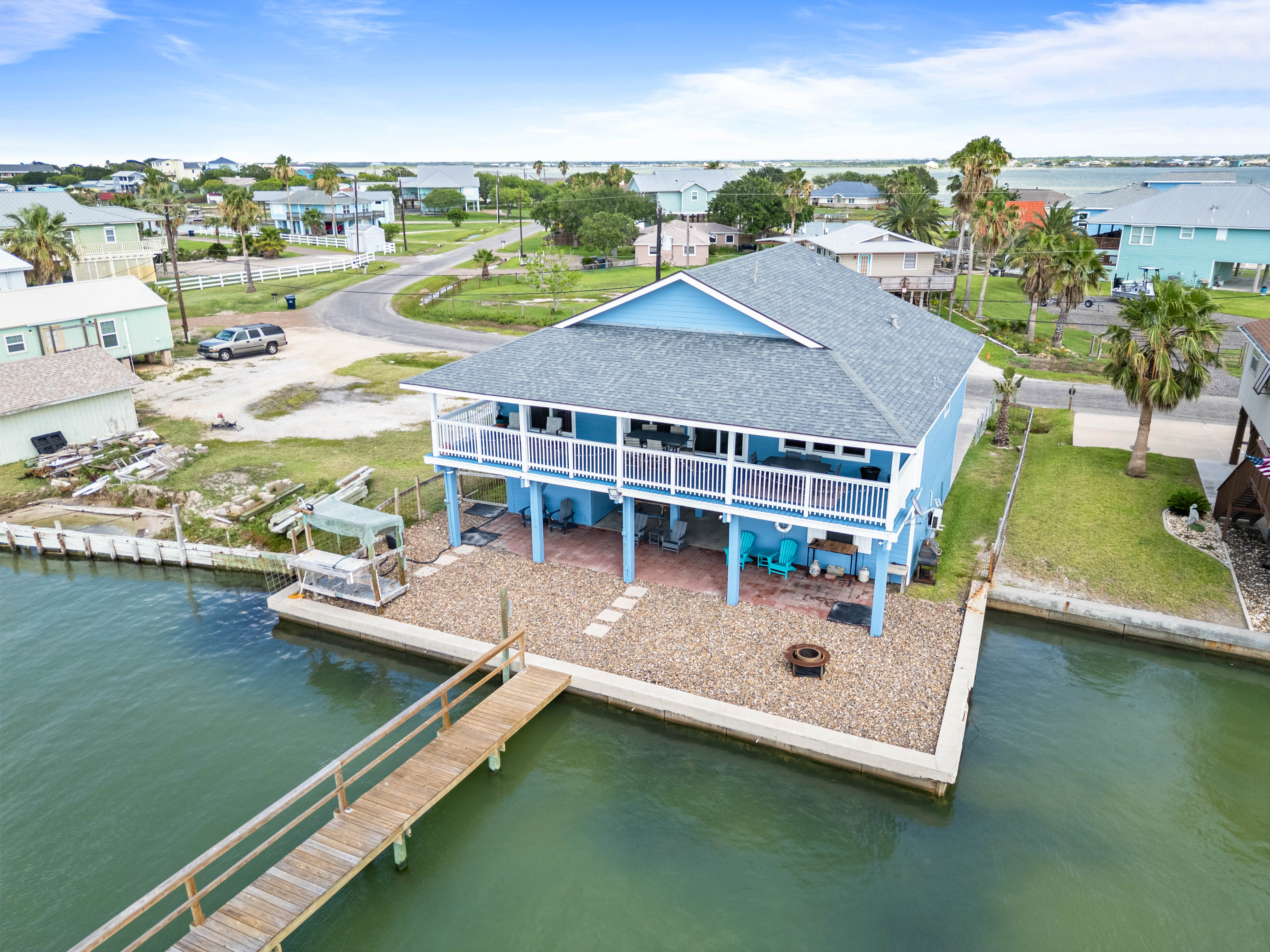
What Exactly Is a Short Term Rental?
Short Term Rentals (often called STRs) are furnished properties rented for short stays—typically a few nights to a few weeks—rather than traditional year-long leases. They’re the vacation rentals you see on platforms like Airbnb, Vrbo, and a growing list of Airbnb alternatives, from boutique booking sites to local management companies that handle everything for you.
For guests, STRs offer flexible travel accommodation that feels more like a home than a hotel. For hosts, they promise potentially higher income and more control over when the property is used. The big question is whether those benefits outweigh the costs and responsibilities that come with running what is, in many ways, a small hospitality business.
The Upside: Why People Love STRs as an Investment
One of the biggest draws of short term rentals is income potential. In the right location, a well-run property can earn more per month than a comparable long-term rental. High-demand tourist areas, business hubs, and cities with big event calendars often see strong nightly rates and solid occupancy, especially during peak seasons.
Flexibility: You can block off dates for your own use, making it a hybrid between a vacation home and a property investment.
Control over pricing: You can adjust nightly rates based on demand, events, and seasons—something you simply can’t do with a fixed long-term lease.
Diversification: For people already in the rental market, STRs can diversify income streams beyond traditional tenants.
If you enjoy hosting, decorating, and creating memorable stays, running a vacation rental can also be personally rewarding. Many hosts love meeting travelers and sharing local tips, turning what started as a property investment into a passion project.
The Hidden Costs and Challenges You Need to Know
Of course, higher potential income doesn’t come free. STRs require more hands-on management than a typical long-term rental. Think frequent guest communication, same-day turnovers, cleaning coordination, and constant attention to reviews and ratings. If you’re not prepared, the “passive income” dream can quickly feel very active.
Thoughtful touches and smooth check-ins are what keep STR guests coming back.
Startup costs: Furniture, décor, linens, kitchen essentials, smart locks, and professional photos add up quickly, even if you already own the property.
Ongoing expenses: Utilities, internet, streaming services, restocking supplies, higher cleaning frequency, and platform fees all chip away at your gross revenue.
Regulations and taxes: Many cities now regulate short term rentals with permits, occupancy taxes, and zoning rules. Ignoring these can be costly.
💡 Friendly Tip: Before buying, run conservative numbers: assume lower occupancy, slightly lower nightly rates, and higher expenses than listing photos might suggest.
Where STRs Fit in Today’s Rental Market
The rental market has shifted in recent years. Travelers now expect more choices in travel accommodation—cozy studios, family-friendly homes, work-from-anywhere setups with great Wi‑Fi, and pet-friendly stays. This demand has helped STRs grow, but it has also attracted more competition.
At the same time, guests are exploring Airbnb alternatives, including direct-booking websites, niche platforms focused on digital nomads, and professionally managed vacation rental brands. As a host, that can be good news—more ways to get bookings—but it also means you’ll need a clear strategy and strong listing to stand out.
Are Short Term Rentals Worth It for You Personally?
Ultimately, whether STRs are “worth it” comes down to your goals, your personality, and your lifestyle. If you’re looking for a completely hands‑off property investment, a long-term rental or a professionally managed vacation rental might be a better fit. If you’re excited by hospitality, don’t mind occasional late-night messages, and enjoy creating beautiful spaces, you may find short term rentals both profitable and fun.
You’re willing to treat it like a business, not a hobby.
You have a solid emergency fund and can handle slower seasons without stress.
You’ve researched local rules, taxes, and demand—not just scrolled pretty listings.
Final Thoughts: Run the Numbers, Trust Your Fit
Short term rentals can absolutely be worth it—but not for everyone, and not in every market. Before you jump in, take a realistic look at your time, budget, and expectations. Compare STR income projections with what a long-term tenant might pay, factor in all the extra costs, and decide how hands-on you’re willing to be.
If the numbers still look good and the lifestyle appeals to you, an STR can be a powerful addition to your property investment plan—and a fun way to welcome travelers into a space you’re proud of. If not, that’s okay too. There are plenty of other paths in the rental market to grow your wealth without washing quite so many sets of sheets.
